

Note: This piece, “Process and New Play Development with the Civilians’ R&D Group” produced by Ash Marinaccio, was originally published on HowlRound Theatre Commons, on December 9th, 2025.
The podcast version of the interview can be found at this link.
Ash Marinaccio: Hey, friends. It’s Ash, your host for the Nonfiction Theatre Forum podcast, produced for HowlRound, a free and open platform for theatremakers worldwide. The Nonfiction Theatre Forum brings together artists, documentarians, journalists, scholars, and theatremakers to explore the wide world of nonfiction performance, from documentary and autobiographical work to ethnographic, verbatim, and tribunal theatre—and everything in between. Together, we’ll dive into how these forums intersect with community, collaboration, ethics, staging, and more.
Today, we’re talking about play development, and we are joined by my friends and colleagues, the members of the 2025 Civilians R&D Group (which stands for research and development) and our R&D coordinator, Phoebe Corde. Full disclosure, I am calling them my friends and colleagues because I was also part of this group over the last year. The Civilians is a New York City-based investigative theatre company that produces original plays and musicals derived from extensive research into real-world subjects. Using methods like interviews, field research, and community collaborations the Civilians create what they call “investigative theatre,” which blends artistic performance with documentary inquiry. The Civilians R&D Group comprises theatre artists interested in exploring strategies for making theatre through their own creative investigations. Over the last year, each of us created a project that we workshopped monthly within our group, and we presented that work in progress at the 2025 Findings series last June. So, I am going to have everybody introduce themselves. We have Camille, Kristián, Lyndsey, and Phoebe. Go ahead, whoever wants to start. Introduce yourself and tell us a little bit about the project you’ve been working on over the last year.
Camille Simone Thomas: Hi, everybody. My name is Camille Simone Thomas, she/her pronouns. Primarily a playwright, sometimes I produce, sometimes I perform. Educator as well. And the play that I’m working on is called 111 Orchestra Place. It is a Detroit history play around Hotel Gotham, which was a Black-owned five-star hotel in the 1950s, and sort of the rise and the fall of Hotel Gotham, as well as the people who inhabited that hotel who are working there.

Ash: It’s an amazing show. I’m so excited for it.
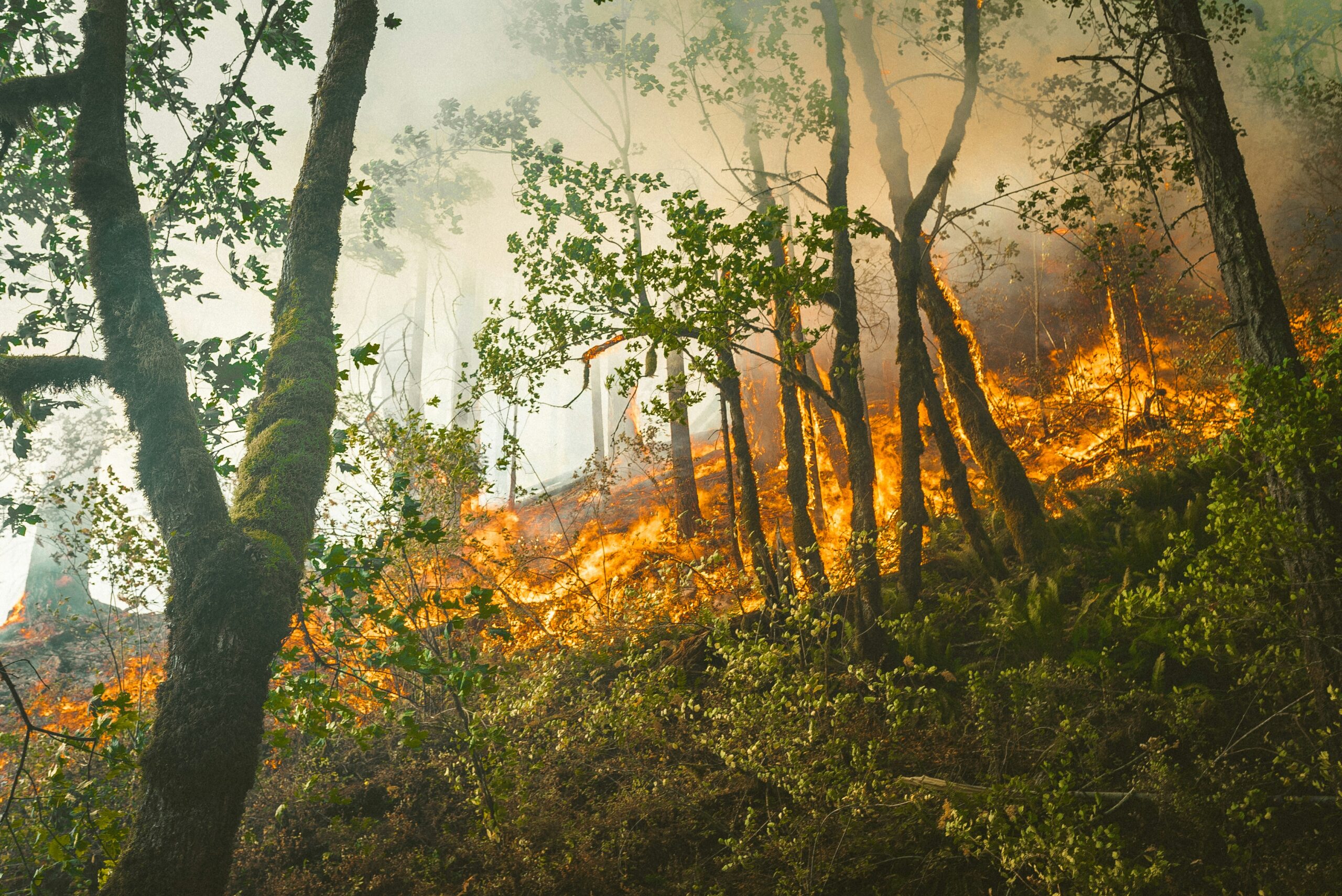
Khristián Méndez Aguirre: Hi. My name is Khristián or Khristián, whatever works for you. My pronouns are He/Él. And yeah, it is 111 Fires and one Flood at the Guatemala Natural History Museum, and it’s a piece that was born out of the confusion around the forest fires, the historic forest fire season in Guatemala, which is where I’m from, in 2024. I became a playwright out of curiosity, and so far so good, although it’s really hard, but I’m really grateful to be part of this group.
Lyndsey Bourne: Hi, I’m Lyndsey Bourne. I’m a playwright, a doula, and an educator. My play is called Mable’s Mine. It started out of a general obsession with the Canadian oil sands and the relationship between Canada and the US, specifically as it relates to energy and resource extraction and how much of the Canadian economy is built on shipping oil and liquid natural gas to the US. The play was built mostly through interviews with workers and transcripts that I read from the Alberta Labor History Institute. It’s about these two sisters who work as heavy equipment operators. These mines are huge, and you’re sort of two hundred and fifty feet inside of the Earth, and the work is very dangerous, and you’re driving these trucks that are the size of a three-story house. Yeah, so that’s kind of what the play is about. It looks at what these oil, big oil, is doing to laboring bodies.
Phoebe Corde: I’m Phoebe Corde. I am a dramaturg, playwright, digital illustrator, podcaster, on and on. But yeah, most relevant to this conversation is I’m the resident dramaturg and director of the R&D Group at the Civilians. R&D Group is an annual residency with the Civilians, which, as you covered, is an investigative theatre company dedicated to developing and producing research driven work. And so every year, six project proposals are selected, and the artists chosen research their chosen topic and create a new piece of theatre between October and June, after which we present a works in progress reading series of the final products.
Ash: It’s a fantastic program. I was a member of this cohort as well, and I developed a piece about the student Gaza solidarity encampments at City College of New York based on interviews and testimonies with the student activists.
Let’s jump right in, since we’re all coming from different backgrounds and places. How do you define non-fiction theatre? Where do you draw the line between fact and interpretation in your pieces?
Because everybody is coming from different perspectives. It’s not straight up documentary theatre or verbatim theatre. Folks incorporate interviews into their work. Folks write plays inspired by interviews. It’s, as the Civilians defines it, investigative theatre. So, I’m curious how all of you negotiate that within your processes and your work.

Khristián: I had pretty bad insomnia last night, and when I couldn’t sleep, I was thinking about an answer to this question that you sent us, Ash. And I have one in my back pocket, but my short answer to that is that I come from a place of love. I really have a distaste for environmental documentaries because I always felt like they were trying to talk at me and try to convince me of something. And I think the reason I latched onto the work of the Civilians and non-fictional, or this work in non-fictional theatre, is that I think we’re interested in the facts, but I also think we’re interested—or I’m interested—in the emotional truth of the work and of these topics that we write about for the people that we interview, but in the communities that they come from. But also, what is that emotional truth for the audiences that we make the work for?
And I feel like often documentarians, especially environmentalists, ignore that emotional toll that sometimes is because it’s more complicated than just the headline. And so, to me, I feel like the way that I think about non-fiction theatre and investigative theatre, it’s like, what doesn’t fit in a headline and you transfer body to body in a space?
Ash: I love that. And I love that what do we transfer from body to body, because I often am asked, why documentary theatre? Why don’t you just make film? More people would be reached by film. But theatre, why theatre? And you’re right, it is that body to body, it’s that ephemeral, everybody in a room sharing an experience that I think can be done in some ways in film. Everybody’s sitting watching something, but the exchange between spectator and performer, it’s unique.
Camille: I really love what you said about investigating the emotional truths, Khristián, because my play is based in fact, yes, but Hotel Gotham was around from 1943 and then was closed in 1963 and then demolished. So, while there are people who I did interview—I was able to do a lot of oral interviews—they may not have actually worked at the hotel, but they stayed at the hotel. So I’m really interested in investigating the gaps in the recorded archives which we have access to and getting these people’s individual stories, especially the individual stories of the women who were involved in Hotel Gotham because a lot of the recorded histories is from the men who owned the hotel or the men who worked at the hotel. So we’re not oftentimes getting the stories of the women in Detroit, the Black women in Detroit, from 1943 to 1963.
Ash: Did anything shock you about revisiting or visiting the stories of women specifically?
Camille: Not shocking. It was just so lovely to hear the stories of their interior lives. One woman talked about hosting her baby shower at Hotel Gotham and I was like, “Oh, my goodness!” What a special memory that is not recorded in any of the books or the newspaper articles or the things that we deem as worthy of holding onto. So I’m really glad I was able to capture that moment.
Lyndsey: I think “why theatre” and “why investigatory theatre” for me is it does come back to the limits of our humanness and sort of why bodies on stage, bodies in front of other bodies in real time is such a powerful form of storytelling to me or feels like such an inescapable form for me, unfortunately. No, I love theatre. But yeah, I think it comes back to what is the most immediate way of connecting with an audience, connecting with a community and taking this sort of ethnographic approach and learning about people through their stories and what they want to share and trying to be in conversation with community feels really important when building something that is investigatory, like how to leave a lot of space for what wants to be told or what comes through these interviews.
And there was a lot of surprises for me. The second half of the play came from this one interview with one worker in particular, and she was telling me about this insane and very dangerous accident she had in the mine middle of the night and being forced to come back to finish out her shift instead of from the hospital that she was in bed so that they wouldn’t have to file a lost time injury.
And there was a lot that I learned about these corporations that just sort of changed the way I thought about the story or how to make people feel heard one-on-one in these interviews, and then later me as an artist, how to synthesize and think about what is the story I want to tell or what is coming from all of this research and information and how can that be immediate? How can that come back to the body and bodies in space?
Ash: You touched on a lot of important points, also thinking about what is the story you want to tell. And that’s something that I struggled, I don’t want to say struggled with, but that was a big part of the process of my piece as well. We did, oh wow, we did fifty, sixty interviews with student activists, professors, and staff, and community members from CUNY. We ended up with a story that we were proud of and something that I think reflected these particular people. There were thousands of people there, so you can’t really reflect everybody. So it reflected these activists, but there’s always a part of me that’s thinking there’s a lot that’s on the cutting room floor. There’s a lot that didn’t make it to the play. That could be a story in and of itself.

Khristián: And I think something that I noticed, I think, again, I am speaking about environmentalism because my access into all of this, but I feel like environmentalism is notoriously not a very reflexive thing to do. Rarely do environmentalists stop to be like, “Should I be yelling at someone for not…” right? No, because the message always feels more important. But I feel like as playwrights and as investigative storytellers, I think we asked the question, what is the story we’re trying to tell? But also I think we’re also asking what is the experience I’m trying to create for the artists that are working on this, for the audience that is in the room? I feel like that’s a slight difference from a lot of the documentary films I’ve seen are like we’re trying to tell the truth or we’re trying to get the message out there.
And I think it’s really clear to all of us, I think basically to me from seeing your work that you’re aware that there’s multiple stories in here and you’re trying to craft not even the truest one, but just the one that feels true to your artistic impulses and what you noticed. So how it felt. So that to me also feels like a more honest setup with an audience compared to a film, whereas— maybe again, maybe I’ve just seen bad documentaries—but just the documentary setup is supposed to be more neutral because, for whatever reason, folks think that the eye of the camera is neutral when it’s not. I just really appreciate the honesty of that art form and less than the earnestness that we have in doing this work. It’s hard, and it’s messy, and it’s unfinished, and we’re going to places that like the audience for historians don’t consider archives, but here’s what we found. What do you think?
Ash: It makes me think about, there are cases, many cases, actually, with, I think one recently, with Malcolm X. There was a 2019 documentary called Who Killed Malcolm X led by researcher Abdur-Rahman Muhammad. And the documentary contributed to the exoneration of two men who were wrongfully convicted of assassinating Malcolm X. They were serving prison time. People have gotten out of jail, and people have gotten out of prison, had life sentences turned over because a documentarian did the research to find that they really were not guilty. It didn’t come from lawyers, it came from artists, that justice. And I think what you were saying is making me think about that, especially when you work on environmentalism and is justice going to come from mainstream stories or the law? Or is justice going to come from artists sharing true stories?
The way that I think about non-fiction theatre and investigative theatre, it’s like what doesn’t fit in a headline? And you transfer body to body in a space.
Lyndsey: Yeah. And going back to something that was said earlier in our conversation, I think that why didactic theatre or idea essay theatre is so painful is because you can sense that the writer or the artist is going in with an answer to a question that they want the audience to absorb. And something that I find so delicious, even though it is so messy about working through interview, investigation, research is that what we’re coming to the work with is actually a series of questions. And that building the pieces is much more like a devised piece of theatre, at least for me, than it is coming with “this is the story of my play, and this is what I want the audience to leave thinking.”
But instead, it’s almost like working on a sculpture or something. It’s like, what is coming? What is being made through this process? And the openness to that hopefully allows an audience to leave thinking about all of the many perspectives of a specific idea or story and all of these questions rather than a desired outcome. And I think the thing that is most exciting to me about a sort of more community and ethnographic approach to writing or thinking is that there is just more room for other perspectives and other spaces and other voices that, as everyone has said, is not maybe the most immediately heard in these conversations that we’re all each exploring in our projects.
Ash: Phoebe, how do you approach this work from the perspective of a dramaturg?
Phoebe: I feel like each story that’s inside of the research that the artist is creating, whatever the artist wants to convey, there are a hundred different ways to do it. There are a hundred different, even in this room, there’s verbatim theatre, there’s inspired-by-true-events theatre, there’s fiction based heavily on research. The approach has to be different every time.
When it comes to research dramaturgy, I feel like my process tends to be sort of similar. At least I have a routine of where I start with research dramaturgy, which would kind of just be looking into what the literature is. What’s the conversation around this right now? What was the conversation around this ten years ago? Where have we come over the last couple of years looking for documentaries? All of that. And I’m actually a collage maker in my dramaturgy. I don’t think anyone in this room has seen my collages. But yeah, I make collages when I’m the dramaturg on a piece a lot of the time, digital collages so that I can link to specific articles and specific artwork and all of that. But it helps sort of concentrate the image of what we’re trying to build for me.
Ash: Do you have an archive of these collages?
Phoebe: I mean, they’re all somewhere.
Ash: Oh my god, I love that. Especially, that’s how I work as well. When I start a project, I start on a page first and always with images. So I often start from that kind of 2D image perspective and then work my way out. So I love that. I love hearing that. I always thought I was weird. I always thought, I was like, “Oh, don’t tell people that.” They will think you’re unfocused. That makes me really happy to hear that.
Phoebe: I feel like it helps to focus. It helps me to focus at least when I can see it all in front of me on one page or one multiple pages, one set of multiple pages.
Ash: So we were all in a cohort together for the last year, and it was lovely. It was such a lovely experience working with all of you. I mean, we were really fortunate. We had a really great group. And I am curious about your experiences of the group and developing a piece. What was that like? How was that helpful to your process? Were there difficult moments? What do you recommend for folks who want to do that type of work?
Camille: I think all of us are touching each other’s pieces in some kind of way. Earlier in one of my drafts, I was just so in awe of what Bazeed had on the paper. First off, their formatting is my favorite formatting ever.
Ash: Oh my god.
Camille: But they had so many images from Twitter and Facebook and Reddit, and the images were screenshot and put into their play. And then I was like, “I want to do that too.” And so then I had a screenshot from a law proceeding that I was like, “this law proceeding, I want it projected on the screen during my play and it’s going to be really cool because Bazeed had it and theirs was super cool too.”
And somebody was like, “Okay, but what does this mean and why is this in your play?” And I was like, “I don’t know. Bazeed did it and I liked it, and I wanted to do it too,” because truly that was my answer. Bazeed did it, and I liked it, and I wanted to copy and be like Bazeed. So I also really appreciated the honesty of the cohort who continued to investigate the work and have me get closer to what I really wanted to say, even as I was in awe of what they were doing. So like you said, Ash, we were just blessed with a good cohort who actually likes each other, who actually likes and admires each other’s work. So I think it worked really well.
Ash: Bazeed’s work cracked so much open for me as well, especially with the formatting. It seems like a little thing, but I remember seeing that they were using, I don’t know, were they using Optima font? They were using a font that wasn’t Times Twelve New Roman [Times New Roman]. I remember seeing Bazeed’s font and being like, oh my god, it’s Optima. And they said something. I use a font that corresponds to the story that’s being told, and I changed everything into that font, and it cracked the piece open for me. It was this small thing that changed everything and that was such, now I’ve put Times New Roman font away.
I think it comes back to what is the most immediate way of connecting with an audience, connecting with a community.
Khristián: Yeah, I feel like I think I could not have written a play by myself a lot of it because I was scared of that material, and I think even if I knew the people and stuff, I wouldn’t have approached them just being like, I want to do this thing by myself. I think being in a group and specifically a group of the Civilians, I think, gave the project more weight for me. I would also add that there was no disciplinary policing of genre policing of, “Well, that’s not a drama” or “That’s not investigative.” Sometimes I feel like those benchmarks of it’s this genre, it’s that genre, or it’s supposed to do this, or it’s supposed to be producible. I feel like those can be used as quality control in some way, just being like, “Oh, we want to make sure that this looks good because it makes us look good.
But I feel like rather than that stick method, it was more just like, but what is this? What does this want to be, and how can we help each other turn it into the thing that it’s or that it wants to be? I think it was not competitive, but there was no anxiety. I don’t think anybody in the group had anxiety about whether other people in the room were good enough or they bring in enough craft or enough dedication. I basically didn’t have a draft for most of the year because I was doing the, honestly, a lot of the emotional composting of what needed to happen from those interviews. But when the time came and it came to life, I felt like the group was there and Phoebe was there to catch.
Ash: I also enjoyed the retreat, and that was the first time I had ever been on an artist retreat or an intentional artist retreat. And going up there, I was really nervous about it, so like, “Oh my god, it’s going to be four days, and that’s a long time, and it’s far out there.” But it was really productive, and the rituals of cooking together, of waking up, having breakfast, having meals together of having that community and camaraderie was really instrumental to the work. And I think in an ideal world, this is how I want to be making art. I want to be making art in community, even if I’m working on a piece that we’re not collectively devising, but here we are, we’re still working in community and this is the way it should be. I loved that. I thought that was a really lovely experience.
Khristián: Retweet.
Camille: Yeah, same. I was nervous before going up there. I was like, “I’ve been meeting with these people every other week for almost a year, but living with somebody is a different experience.” And it was lovely. So everything you said, Ash, I second.
Phoebe: I’m so glad that we added the retreat. That’s something we’ve done in recent years. I think we started doing it three or four years ago. I feel like it’s made such a difference in the community aspect as well as the work that comes out of the group, but especially in the community that comes out of that retreat. And I’m also just so happy to hear all of the things that you guys are saying about the group. I’ve heard it before, but keep saying it.

Camille: Everyone was so generous with their knowledge. I was like, “I have a question. I’m an emerging playwright. How are we handling this, folks?” And then we just talked about it. And Phoebe, thank you for allowing that space to happen, because so much of artistry, unfortunately, is also business too. Business is not my favorite. I’m like, great, now I have contracts and these types of things, and I just want to derp off stories in the woods, but I have to pay my taxes. Thank you for making that space, Phoebe.
Khristián: In higher education, especially for first gen folks, they talk about hidden curriculum, and I feel like—I was thinking about this earlier today—that there’s definitely a hidden curriculum of the theatre industry of just you can go through certain channels, but also if you talk to specific people, some things move faster. And that’s not malicious. That is, there’s reasons why you do work with the people that you work with because… I’m not going to get into that.
Yeah, I don’t know that there are many other places where you can have extended conversations about difficult subjects and things like immigration and taxes, but also other challenges of being an artist, especially because as playwrights—and I would extend them to directors—it just feels like we’re all competing against each other for the same slots, and that’s just not true. If I see any of y’all plays produced anywhere, I’m not going to be like, “Well, damn that could have been my play.” It’s more like, no, that is great. That play was produced. So I do think that there’s an element of that, of cooperation and kindness and a mix of experiences too, right?
Ash: I agree. There needs to be more spaces like this. In New York, the majority of play development labs have disappeared, so there are very few opportunities like this available at this moment.
Phoebe: I just love the feeling of walking out of a play and immediately wanting to run to research even more and walking out with the hunger to learn even more. And that is a large part of why I do that work, and I like this R&D group and the ones before it, but because you’re in this room, this R&D group, I have dug into so many of the things that you guys have researched and written about. And the work that you guys have put together has been so effective, and I love you all.
Ash: Oh, we’re sending hearts. What was the last play you all saw that made you want to research and know more about the subject when you left?
Khristián: This is probably because I grew up in Guatemala and our European history was not as detailed, but I saw Operation Mincemeat and that’s a musical, but I was like, “Whoa, I had no idea that that happened.” And so that was one where I was like, I want to learn more about that.
Camille: Gun and Powder, the musical, it’s called Wanted now. It’s coming to Broadway, but I saw it in Jersey. I saw it in New Jersey a year ago, a year and a half ago. And I was like, “Oh my goodness.” These two, I think they were white passing Black women in the Wild West robbing people and stealing things and just getting what’s theirs. I was like, “I love badass women who take their futures into their own hands,” and the music was phenomenal. Can’t wait to see it on Broadway. But yeah, I saw it and I wanted to do more research about these people.
Lyndsey: I saw, Can I be Frank?, which I highly recommended. It’s running for a couple more weeks. And it’s the Morgan Bassichis solo piece, and I had no idea what I was walking into. I’m a total fan of Morgan’s work. But this is a piece in which they embody Frank Maya, this artist from the eighties that died of AIDS. And so Morgan is looking at the kind of embodying Frank’s work as a way of paying homage and it’s so fucking genius—but sorry, am I allowed to swear on this podcast? It’s just incredible to think about homage and to think about ancestry and also all of the lives and artists that we don’t get to engage with because of the AIDS crisis just sort of took this whole generation of queer artists from us. So their piece is so special, and I highly, highly recommend it. It was very moving,
Khristián: Not just because of the current political landscape—I feel like sometimes when people say “the current political landscape” as if things were not hard before—but I think that as history and reality get contested, I just feel like this group has given me a sense of being really fearless in how I play with things. And it’s not just flowers to fill you on all of you because all, but I also feel like I really hope that that spirit comes through in, I just hope that more people who want to do or investigative theatre can ask themselves, what if I played with this really hard and really seriously, but played with it? Because I think there’s an instinct to take things that are heavy, heavy, but I feel like there’s, because we’re talking about putting things in the body, I think there’s some of the things that we put in our body also must feel good. And I feel like all of our pieces have elements in them that feel really good.
The poetry in Lyndsey’s script, also just the image of the woman with the broken hand against her, that’s such a specific, I know who that person is, the music and the glitz of the people in 111 Orchestra Place. I just feel like there’s an attention to aesthetics and I feel like the aesthetic of the piece that is not sacrificed by the telling the truth, of telling the story, and I think that’s of what my big take away from this is just how can we be fearless with and when we’re trying to tell these stories that happened. I think that’s my burning flame that I take from there, our R&D group 2024-2025, and there’s a flame that desires to come back in 2026 and ‘27. Yes.
And to be clear, when we say come back, to me, it’s not just it’ll be fun to do another reading and things, but just the infrastructure, I think, of doing that. It’s really special so that our we’re always great, but I also just feel like the cadence—I don’t know, there’s something about that that feels special because the six of us can gather, and Phoebe shall be in our midst, but there’s something about the structure and what happens when you nurture an artistic community that has fostered that fearless play over a longer period of time.
Ash: I feel like a lot of the success comes from having that structure, at least with my piece. We started it from scratch, trying to hit the different goalposts by certain times that we have something to read by the end of the year. Having that structure was really helpful.
Lyndsey: I think there was this ongoing invitation to experiment that felt like such a big part of the process, that it really was not about product and we were all at such different phases throughout our time together, but the fermentation is something I want to keep thinking about. I think the last thing I might say about investigatory theatre or documentary theatre is something that for me, it was so buoyant throughout the process was anytime I would want to give up, which happened a lot because it’s so hard to write a play. One of the things that kept me so invested in this project was thinking about that it was writing with, in conversation, with all of the folks that gave me their time and their stories. And so part of it was inspiring and encouraging, and there was an accountability I had, not just for this desire to make a thing for the Civilians, but to really try and honor and respect all of these folks that didn’t know that gave me their time and their care, and so that was special.
Ash: Thank you so much for joining me.
Camille: My first podcast. This was exciting.
Ash: Oh, I love it.
Khristián: I avoid them like the plague. I feel like, especially the ones run by men, I’m just like, “Do we need these two dudes and a microphone?”
Ash: I avoided podcasts like the plague until this year when I was like, I don’t know what to do with my PhD research. Now that it’s done, I know what to do. I don’t know what to do with the fact that I spent eight years doing this very niche thing. That was the impetus for the podcast, but it’s been fun getting to meet artists and bringing people into conversations, and hopefully it’s something people enjoy.
Camille: I like talking to y’all. Y’all are smart. I’m like, “oh, I’m learning and I’m thinking, and we keep talking about how we inspire each other,” and then I’m like, “and I’m inspired right now.”
Ash: For New York-based listeners who may want to be involved in the R&D Group in the future, you should visit thecivilians.org or connect on Instagram @CiviliansNYC where you can stay up to date on the R&D application process and all the exciting work happening year round.
This has been an episode of The Nonfiction Theatre Forum podcast. I’m your host, Ash Marinaccio. This podcast is produced as a contribution to HowlRound Theatre Commons. You can find more episodes of this show and any HowlRound show wherever you find podcasts, including iTunes, Spotify, and non-commercial, open-source apps, like Anytime Podcast Player for iPhone or AntennaPod for Android. Be sure to search “HowlRound Theatre Commons” and subscribe to receive new episodes. If you love this podcast, post a rating and write a review on those platforms. This helps other people find us. You can also find a transcript for this episode, along with a lot of other progressive and disruptive content, on howlround.com. Have an idea for an exciting podcast, essay, or TV event the theatre community needs to hear, visit HowlRound and submit your ideas to the Commons. Think you or someone ought to be on the show? Connect with us through Docbloc and on Instagram, @docblocprojects. That is D-O-C-B-L-O-C. Thank you for joining us at the Nonfiction Theatre Forum.✦
Extended Play is a project of The Civilians. To learn more about The Civilians and to access exclusive discounts to shows, visit us and join our email list at TheCivilians.org.